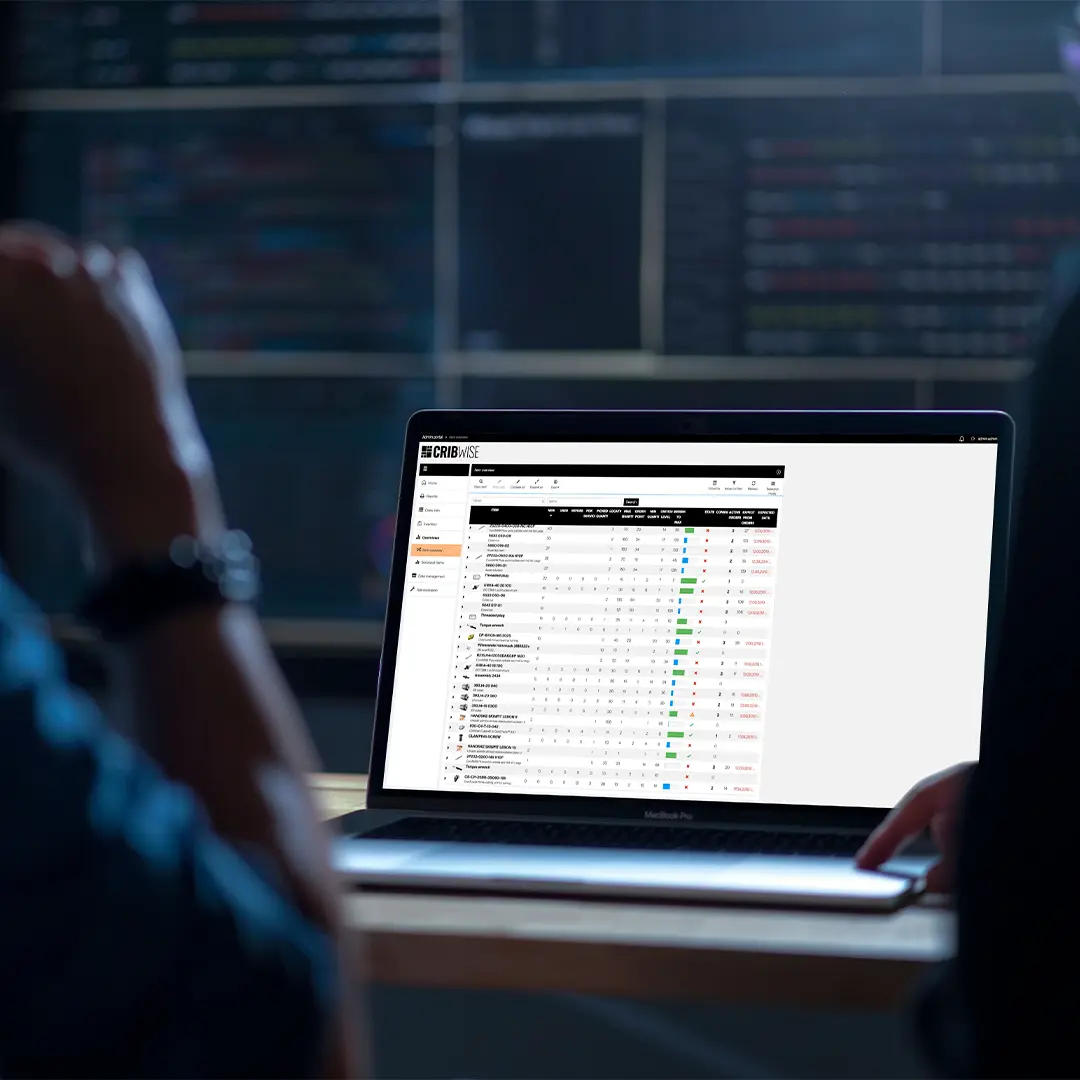
For many years tool management has been a largely reactive process, one that companies did to ensure they did not run out of tools instead of one that was focused on improving production. The function of tool management will undergo a significant transformation in 2026. Manufacturers face unprecedented small financial margins alongside complicated production schedules and labour shortages which forces them to transition from reactive practices to proactive strategies.
Tool management today is transforming from a simple inventory control process to a true system of production intelligence. It’s no longer just a matter of having visibility into which tools are in which crib – tool data is used to make more informed and much quicker decisions to help affect uptime, efficiency and costs.
The limits of traditional Tool Management
Traditional tool management systems do one thing exceptionally well: manage quantities. Tool crib teams can enter check-ins and check-outs. Tool requests and issues are flagged to avoid stockouts. The basic control and visibility provided by traditional tool management systems proves insufficient for modern manufacturing needs.
Manufacturers want more than visibility into their inventory. They want to understand how tools impact their production results. Questions such as, “Which tools will be needed for tomorrow’s jobs?” or, “Which tools are likely to fail within the next few days?” cannot be answered with traditional tracking methods. Without these insights, companies are left in reactive mode, constantly fighting downtime fires and making emergency buys that drive up costs.
Tool management in 2026 will have real-time visibility, predictive insights and must be seamlessly integrated with production systems. It’s this new way of working that elevates tool management to a production intelligence system.
What does production intelligence mean?
In short, production intelligence is the ability to convert tool data into decision-driving insights. Rather than simply managing inventory, manufacturers are using tool management software to determine when a tool will wear out, plan for future tool needs and match tool availability to the production schedule.
Visualize a shop floor where tomorrow’s machine tool requirements are predetermined by the tool crib’s knowledge systems while automatic notifications alert operators about imminent tool replacements thus eliminating unscheduled breakdowns and worn tool usage. Manufacturers are empowered through production intelligence to standardize tools across multiple machines and processes which leads to enhanced inventory optimization and cost savings.
Production intelligence transforms machine data and historical usage records into the predictive insights that guide improved production choices.
The role of data
Data is the foundation of smart tool management. Advanced tool management software in 2026 collects information from various sources, including CNC programs, MES systems, tool presetting and measurement devices and, not least, historical data on how tools are used. Even information from refurbishment cycles is considered to enable a complete picture of tool life.
From this information, they can then forecast when a tool will break, which tools are under- or over-utilized, and make stocking decisions based on actual production needs instead of estimates. It’s no longer a choice to move from reactive inventory control to predictive production planning. It’s a must to stay competitive.
Predictive tool management in practice
Predictive tool management transforms day-to-day decision-making. Rather than replace tools only after they fail or scramble when emergency shortages arise, manufacturers can proactively plan for tool changes before downtime strikes, anticipate tool demand for future jobs, make sure the right quantities are in stock and minimize waste.
This new proactive mentality also impacts the tool crib. The tool crib teams are focused on the analysis of tool use patterns. They are managing the tool inventory more effectively, and they are actively supporting production instead of expediting tools. Operators have less time searching for tools and the production planners are sure the correct tools are available when needed.
Integration is important
Integration is a third important aspect in 2026. Isolated tool tracking systems will soon be obsolete. Current tool management software integrates with ERP systems to do the purchasing and cost tracking, MES systems to do production scheduling, and CAM software for use with tool assemblies. Presetting and measurement devices are integrated to provide accurate tool life data.
This ecosystem, also referred to as a digital thread, offers a single source of truth on tool data so that it can be shared and maintained up to date by all stakeholders. Managers make decisions quicker and more confidently, operators have the right tool when they need it, and procurement can effectively manage the right level of inventory without overstocking.
AI and advanced analytics
AI is transforming tool management. Predicting tool wear through historical data analysis and recognizing abnormal consumption patterns alongside standardization opportunities will be possible through AI by 2026. Manufacturers can utilize this data to reduce expenses while avoiding operational stoppages and accelerating decision-making processes.
AI functions as a support system that enhances human decision-making and doesn’t take over the roles of operators or tool crib teams. The system offers actionable insights which enable teams to drive strategic improvements while avoiding the constant need to tackle daily problems.
Gain a competitive edge with CRIBWISE
Tool management is evolving. Manufacturers no longer just manage their tools in 2026. They also use their tool data to fuel production insights, anticipate tool demand and make better decisions.
The question isn’t “Do we have tool tracking?” The question is “Are we using tool data to optimize our production and prevent downtime?”
Production intelligence enables manufacturing entities to change their tool management approach from a reactive inventory process into an effective method for boosting productivity and gaining both financial savings and market advantage.
Discover how CRIBWISE’s tool management software can turn your tool data into production intelligence. Through continued development of data use and functionality, we have created a new feature within the CRIBWISE suite called Stock Optimization. As the name suggests, this Artificial Intelligence function further optimizes stock levels of consumable items, ensuring production and dramatically reducing time needed from purchasing and other stock-responsible personnel.
With CRIBWISE stock optimization you can set targets to reach or exceed the optimization level of your most knowledgeable users manually doing it.
Request a demo today and see how predictive tool management will look like in 2026.