Getting a CNC tool from a digital program to a running machine requires more steps than it might appear.
A tool assembly is built and validated in CAM, a job is scheduled and released, and somewhere in the handoff between the tool crib and the machine, it becomes clear that something isn’t where it should be – or isn’t in a condition to be used.
The cause is rarely a shortage of tools. Typically, the cause is a shortage of accurate, real-time information about where those tools are, what condition they’re in, and whether they’re ready to run. This is the visibility problem, and it’s one that a properly implemented tool tracking system is designed to solve.
Where visibility breaks down
For many manufacturers, tool management data exists in fragments. CAM libraries hold tool geometry and cutting parameters while the tool crib operates on its own records. Setup sheets are printed, passed between shifts and frequently out of date before they reach the machine. The result is that operators and engineers are often working from different versions of reality.
The consequences are well documented across several industries. For example, on automotive production lines, unplanned stoppages ripple across tightly scheduled shift patterns. In medical and pharmaceutical environments, compliance and traceability requirements leave little margin for improvisation. In machine shops handling complex multi-operational work, a single missing insert can idle a machine for an entire shift. And in motorsports, where tooling demands are intense and timelines unforgiving, the absence of real-time inventory visibility creates risk at every stage of the build cycle.
What these environments share is a reliance on tooling that is too important, and too variable in its condition and availability, to be managed through disconnected systems and manual checks.
What does a tool tracking system really track?
Digital tool tracking goes considerably further than recording what tools exist and how many are in stock. A tool control system maintains a live picture of each tool’s location, availability, condition, usage history and lifecycle status – this gives engineers, operators and tool crib teams a common operating picture.
Tool inventory management at this level means knowing which tools are checked out and to which machine, which are awaiting reconditioning, and which are approaching the end of their effective life. Usage data is logged automatically, reducing reliance on manual inputs that are frequently incomplete. Lifecycle events (e.g. calibration, inspection and refurbishment) are recorded against individual assets rather than managed through spreadsheets or memory.
CAM engineers encounter a particular version of this problem – programming against tool data that doesn’t reflect what’s physically in stock. The connection between digital tool assemblies and live inventory data, which is explored in depth in this article on CAM tooling integration, means that availability can be confirmed during programming, and not discovered to be a problem after a job has been released.
From tool crib to machine: closing the setup gap
Tool crib management in CNC operations carries considerable operational weight. The tool crib is where the accuracy of digital records meets the reality of physical stock, and gaps between the two tend to surface at exactly the wrong moment – during machine setup, when delays are most costly.
With a tool tracking system in place, the handoff from tool crib to machine becomes a managed process. Operators know in advance which tools are required for upcoming jobs and can confirm their availability and condition before setup begins. Instead of reacting to shortages at the point of use, tool crib teams can prepare kits ahead of time and manage replenishment against real demand.
This matters most where setup complexity is high and machine time carries significant cost – in heavy industry and large-scale manufacturing, pre-emptive coordination of this kind has a direct bearing on overall equipment effectiveness. The wider effect is a shift in how tool crib teams spend their time, away from reactive firefighting and towards structured tool inventory optimization that benefits procurement, operations and production planning.
Why use digital tool tracking?
The business case for tool management software rests on what becomes possible when tool data is accurate and accessible across teams. Manufacturers consistently report improvements in several areas:
- Reduced setup delays through confirmed tool availability before jobs reach the floor
- Fewer unplanned stoppages – worn or unavailable tools are flagged before they cause a problem, not after
- Improved inventory accuracy as automated tracking replaces manual counts and the disconnected records that tend to accompany them
- Lower tooling spend as overstocking is reduced and purchasing decisions are based on real usage data
- Better coordination between engineering, operations and procurement, with a shared view of tool status replacing ad hoc communication
Medical and pharmaceutical manufacturers gain an additional benefit: the audit trail produced by a digital tool tracking system supports compliance requirements that manual record keeping may struggle to keep up with.
Choosing the right system
Selecting a tool management software provider is a decision that extends well beyond the software itself. The right industrial tool management system should integrate with existing infrastructure such as ERP platforms, MES systems, CAM environments and presetting devices so that tool data flows across the operation rather than creating a new silo.
It should also scale across different storage configurations, from secure vending-style tool cribs to open storage environments, and support the specific workflows of the industries and production types it serves. When evaluating any tool management software vendor, the question of integration capability should sit alongside functionality – a system that doesn’t connect with the wider manufacturing environment will quickly become another isolated data source.
CRIBWISE: A superior tool tracking system
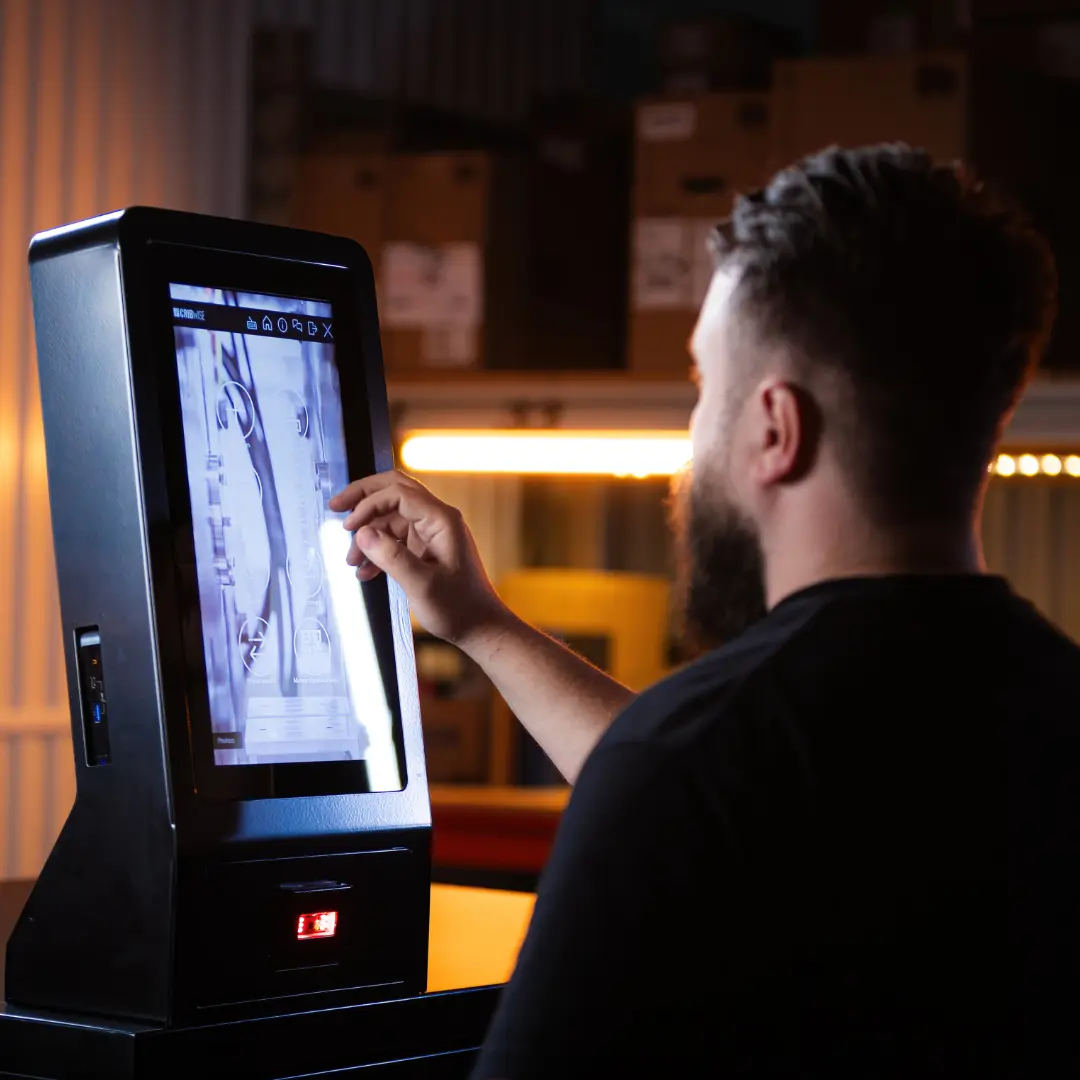
CRIBWISE, part of the Sandvik Group, is a digital tool inventory management software supporting manufacturers across automotive, heavy industry, machine shops, medical and pharmaceutical, motorsports, and light industrial manufacturing. Built on 150+ years of Sandvik machining heritage, CRIBWISE integrates with leading platforms to keep data in sync and everything manageable from a single interface.
One such integration is with Toolhive, a tool data management platform for machine shops that gives operators instant access to every tool, assembly, and work order. Combined with CRIBWISE’s deep manufacturing expertise, the integration connects digital tool data with physical inventory – simple but effective, giving manufacturers full visibility from first programming to final setup.
To find out how CRIBWISE can improve tool visibility across your operation, contact us today.