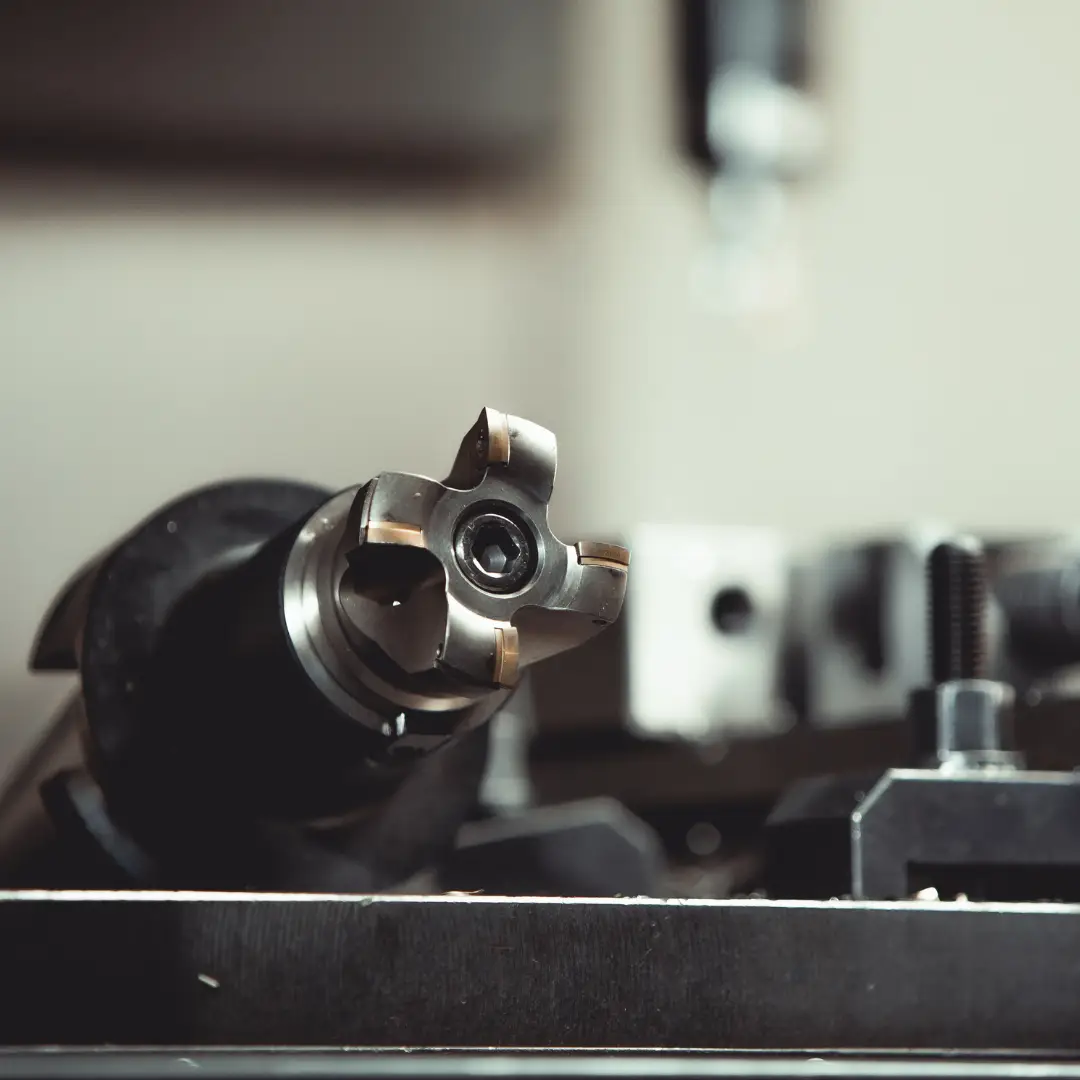
In the world of manufacturing, CNC tools play a critical role in successful operations. However, all too often, the price of these assets is solely associated with what is paid to purchase cutting, drilling and shaping implements. Once the invoice has been processed, the cost is considered to have been accounted for.
In reality, however, that assumption is quietly eroding profitability across industries from light general manufacturing to heavy industries, automotive, aerospace and pharmaceuticals. That’s because the costs associated with the way in which tools are managed throughout their lifecycle, including how they’re stored, monitored and maintained, is often overlooked.
The hidden costs of CNC tools
The purchase price is only the most visible part of CNC tooling spend, while the true cost is spread across inventory practices, downtime, tool life and the way in which assets are tracked and managed internally. Without usage logs, inspection records and routine calibration, manufacturers end up relying on assumptions that can lead to problems such as tool damages and loss.
While these costs rarely appear on balance sheets, it doesn’t mean they don’t exist. Instead, they show up in the form of missed production targets and inefficiencies on the shop floor.
Here are four of the most impactful hidden costs associated with CNC tools:
#1 – Excess inventory through tool overstocking
A common habit among manufacturers is overstocking. To avoid succumbing to shortages, companies will always have more tools than they realistically need, ensuring they have backups upon backups ready to go. It can feel like a sensible approach. However, excess inventory both ties up capital that could be used elsewhere and takes up valuable storage space. Not only that, but it also creates a false sense of security. Tools can degrade over time, even when not in use, while specifications can also change, potentially making unused inventory redundant. These risks are exacerbated when tools are not stored in well-protected, well-organised environments.
#2 – Tool loss and breakage
Tool breakages and losses are unavoidable in manufacturing. However, they’re costly symptoms that can be managed with the right approach. When tools are lost, team members end up spending hours searching for missing equipment – time that would be better spent in production. Equally, failing to inspect or maintain tools properly can increase the likelihood of damages occurring, leading to costly replacements and repairs. Without preventative maintenance planning, including inspection records for wear and tear and usage monitoring, failures become far more likely. Meanwhile, a lack of access control and insecure, unorganised storage can also contribute to losses.
#3 – Unplanned downtime due to tool unavailability
While overstocking is an issue, it is also important to ensure there are adequate resources on hand so that all the correct tools are available in the right place at the right time, and in a usable condition. If they are not, then manufacturers can suffer from issues such as downtime, and more expensive purchases being made in emergency situations. These situations are more likely to arise when tooling inventories are not actively managed. In extreme cases, safety issues can also emerge when sub-optimal or damaged tools are used in a hurry.
#4 – Reduced tool life from poor tracking
Fourthly, a lack of effective tool tracking can impact tool lifespans. Without accurate records, tools may be overused beyond their optimal lifespan, or underused and forgotten entirely. Refurbishment cycles might be missed or wear patterns unnoticed, leading to costly replacements or more extensive repairs. The improper handling or storage of precision tools, often due to a lack of routine calibration schedules and inspection tracking, can further shorten tool lifespans.
How manual and disconnected systems make the problem worse
For manufacturers, tool management often remains reactive. Tooling issues are addressed in a disconnected way, with disconnected systems that are incapable of answering critical operational questions:
- Which tools will be needed for tomorrow’s jobs?
- Which tools are likely to fail within the next few days?
- Where are the biggest operational cost leaks coming from?
Without the centralised, controlled inventories and consolidated maintenance and inspection records, manufacturers are more prone to being stuck in an inefficient loop of responding to problems as they occur. They may respond by embracing costly overstocking practices or face a rise in unplanned downtime due to tool breakages. Both are an ineffective and inefficient use of budgets, leading to the silent erosion of margins.
Don’t be weighed down by ineffective tooling practices
Clearly, reactive approaches to tool management are no longer sustainable. Individually, these issues may seem manageable. Together, they form a persistent drag on productivity and competitiveness – especially in an environment of tight margins, complex schedules, and ongoing labour shortages.
To avoid being weighed down by ineffective tooling practices and the financial strains these can bring, manufacturers must shift from basic inventory controls to proactive strategies underpinned by data-driven lifecycle management, usage visibility, maintenance planning, and secure, organised storage.
The key is to move from a simple inventory control process to a true system of product intelligence that can provide real-time insights into tooling availability, usage and spend. Rather than simply managing inventory, manufacturers can use tool management software to determine when a tool will wear out, when it is due for inspection or calibration, plan for future tool needs, and match tool availability to production schedules.
Modern tool management systems collect data from CNC programs, MES platforms, presetting and measurement devices, and historical usage records. Preventative maintenance, refurbishment cycles, compliance data and handling requirements can be factored in to build a complete picture of tool life. From this foundation, manufacturers can forecast failures before they occur, identify under- or over-utilised tools, and make stocking decisions based on actual demand rather than assumptions.
Changing tool management approaches in this way will reduce emergency purchases, lower capital tied up in stock, ensure higher machine uptime, and help aid coordination between operations, engineering, and procurement.
Adopt smarter systems for improved cost transparency
At CRIBWISE, we’ve seen firsthand the difference that proven tooling and inventory management systems can have, streamlining the management of tools by providing full traceability and accurate auditing of assets.
CRIBWISE software enables precise tracking, storage and monitoring of tools, ensuring they’re always ready for use, reducing downtime and delays. It also provides controlled access to critical tools and precision assets, improving safety while minimising the risk of damage, misuse or loss.
Our technologies can automate calibration schedules, lifecycle management, and inventory replenishment, reducing manual workloads and human error, while ensuring all assets are properly maintained, extending their lifespan.
These small improvements add up to significant results. Through forecasting and planning, we typically see 15-40% lower tool purchasing costs, and a 90%+ improvement in inventory accuracy.
Are you interested in gaining more insight into the hidden costs associated with tool management? Contact us today to have an expert demonstrate how CRIBWISE can help you gain complete control of managing your tooling and manufacturing inventory at all levels.