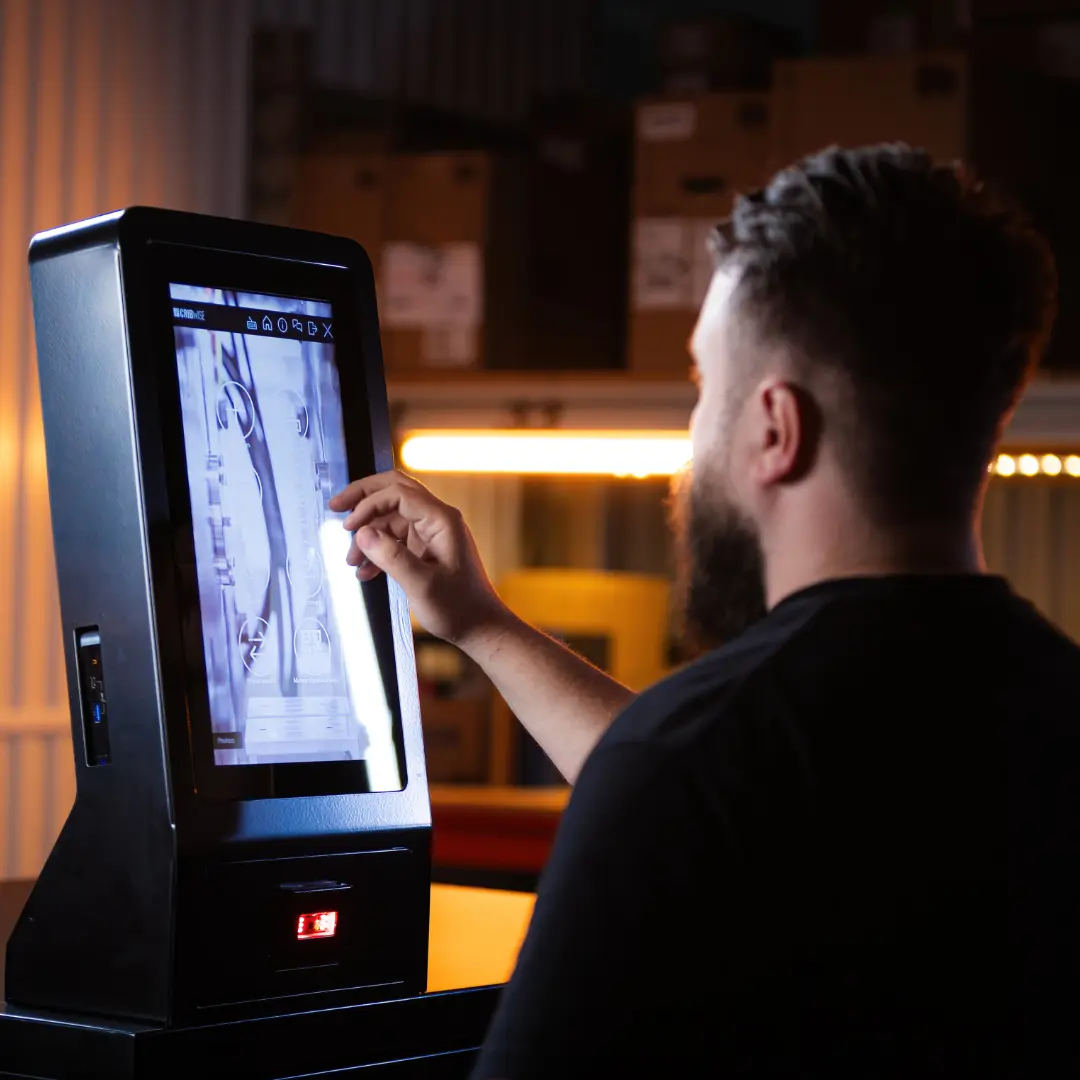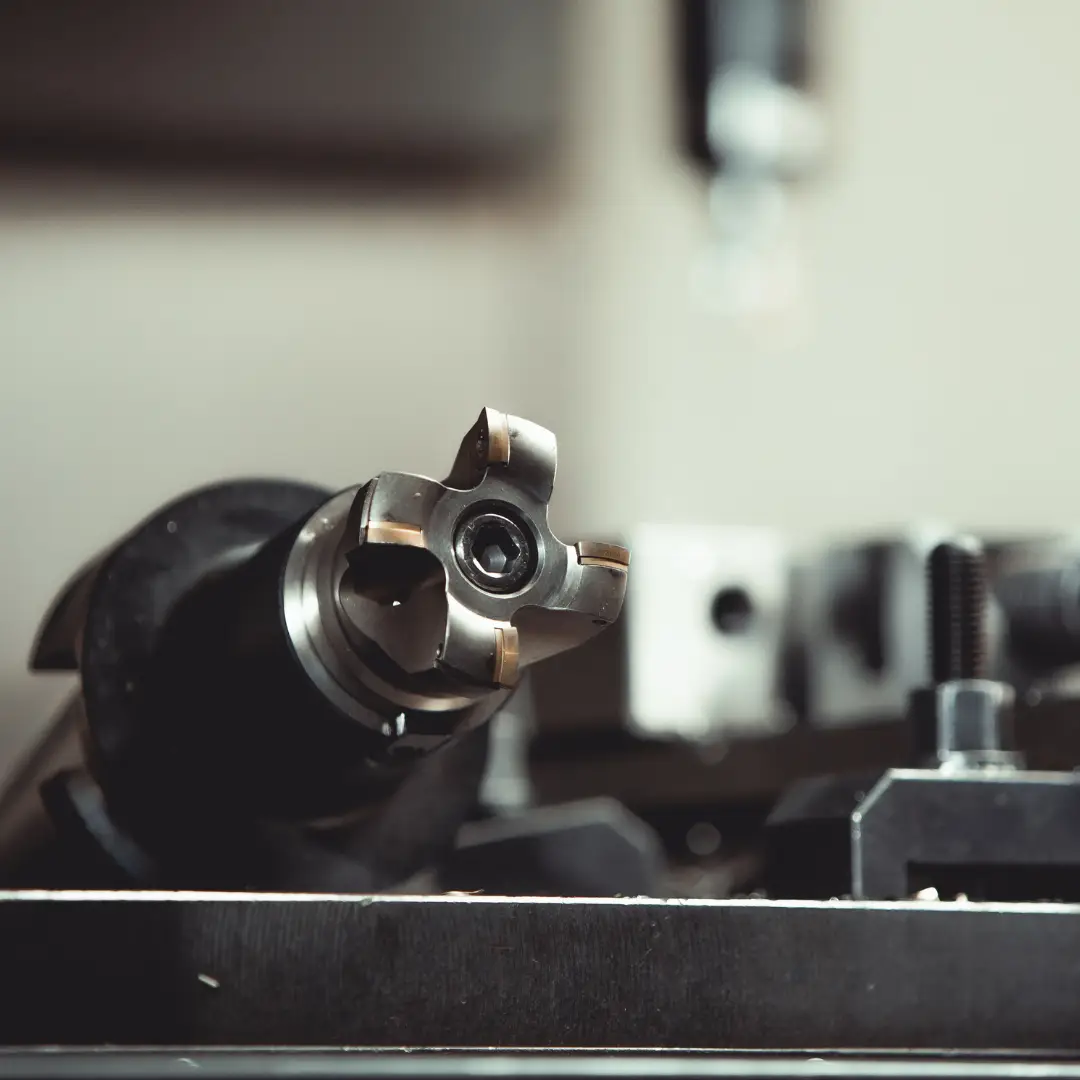
CAM Engineers want tooling integration because every tool assembly you build will impact cycle time, surface finish, collisions, and machining performance. Tooling data isn’t admin, it’s operational.
For CAM engineers in many shops there remains a disconnect between the digital world of tool libraries within CAM and actual tool inventory systems on the shop floor.
It creates drag in what should otherwise be a seamless process.
The Toolhive and CRIBWISE solution solves this issue by tying together digitally built tool assemblies with live inventory data – bridging the gap between programming and implementation.
From a technical CAM standpoint, let’s explore why these issues are important.
Reality of CAM: Assemblies are driven by data!
CAM Processes work with intelligent tool assemblies, not just pieces.
One complete milling assembly may consist of:
- Cutter body
- Inserts
- Screws
- Adapters
- Tool holders
- Extensions
Used in CAM Programs like:
- Mastercam
- GibbsCAM
- Cimatron
…and each assembly needs:
- Geometry information
- Cutting parameters
- Offset Data
- Tool numbers
- Holder Sizes
- Collision Envelopes
Accuracy is paramount during the programming phase. Faulty data can result in simulation failures, post-processing problems, and even machining errors.
The Invisible waste: tooling for tools that don’t exist
Here is a familiar situation when tool library and inventory are NOT integrated:
- You design a tool assembly within the electronic tool library.
- The assembly passes verification.
- The job is released into production.
- Production finds a missing insert or adapter.
- The machine sits idle.
As CAM engineers, this is aggravating because:
- The program’s correct.
- The tooling definition is correct.
- The simulation is correct.
- Yet, you physically cannot build the tool!
The issue is not CAM. It’s system isolation.
What the integration actually does
The integration between Toolhive and CRIBWISE synchronises item-level quantities between systems.
When an item exists in both environments (with matching identifiers), Toolhive can display available stock quantities sourced directly from CRIBWISE.
Technically, this means:
- Tool assemblies are built in Toolhive.
- Component-level availability is retrieved from the inventory system.
- Quantity visibility is embedded into the digital workflow.
This eliminates the need to:
- Log into separate stock systems
- Call the tool crib
- Manually confirm quantities
For CAM engineers, the impact is immediate: decision-making improves during programming – not after release.
Real-time visibility at the assembly level
Tool assemblies are hierarchical structures. Each component has dependencies.
If one insert is missing:
- The entire assembly is unusable.
- By exposing real-time stock information at component level:
- You can identify shortages during tool definition.
- You can select alternative inserts immediately.
- You can adjust strategies before posting code.
This shifts problem-solving upstream – where it belongs.
Standardised tool data across multiple CAM systems
One of the more complex realities in manufacturing is that different CAM systems require different data structures.
For example:
- Parameter naming conventions differ.
- Tool number handling varies.
- Metadata fields are mapped differently.
- Simulation engines expect specific attributes.
Toolhive acts as a structured tool data environment capable of interfacing with multiple CAM platforms.
Instead of:
- Maintaining separate tool libraries per CAM system
- Rebuilding assemblies manually
- Managing duplicate data sets
You maintain one centralised digital tool library.
When integrated with CRIBWISE, that same centralised library also reflects real-world stock status.
This creates a single source of truth for:
- Tool geometry
- Assembly configuration
- Availability
For CAM engineers working in multi-CAM environments, this is especially valuable.
Pick lists and production alignment
From a workflow perspective, tool assemblies eventually move from digital definition to physical preparation.
Toolhive can generate structured pick requirements based on assemblies used in production.
With integration:
- Pick lists correspond to verified stock.
- Operators receive validated tool requirements.
- Missing components are identified before the job reaches the machine.
For CAM engineers, this reduces:
- Shop floor interruptions
- Last-minute tooling substitutions
- Program revisions caused by unavailable tools
The more predictable the tool setup process becomes, the more stable your machining output.
Why CAM engineers should care about consumption data
While Toolhive focuses on digital tooling structures, CRIBWISE manages:
- Consumption tracking
- Reordering logic
- Stock optimisation
- Serialised asset control
Why does this matter to you as a CAM engineer?
Because tooling performance and availability are connected.
If consumption patterns are tracked accurately:
- Reorder points are optimised.
- Frequently used inserts stay in stock.
- Tool shortages decrease over time.
This indirectly improves your programming environment. You can design with greater confidence that commonly used tooling will be available.
Reducing workflow friction
From a systems engineering standpoint, integration reduces friction in three key areas:
1. Data Friction
No duplicate tool definitions across systems.
2. Communication Friction
No back-and-forth between programming and inventory teams to verify stock.
3. Operational Friction
No machine downtime caused by tool assembly mismatches.
For high-mix, low-volume environments – or complex mould and die work – these efficiencies compound quickly.
Building blocks to digital manufacturing
Everywhere you turn in manufacturing industry discussions, there’s digital this and automation that. Robots. AI. Smart factories.
But before we get there, there’s integration. Seamlessly connecting your core systems together.
When:
- Digital tool definitions
- Inventory quantities
- Assembly logic
- CAM integrations
operate within a harmonised ecosystem, you create the foundation for:
- Automated job preparation
- Predictable tooling availability
- Scalable CAM standardisation
For CAM engineers, this is not just administrative improvement. It is a workflow upgrade.
Closing the loop between programming and execution
CAM programming does not end at post-processing. It ends when the machine runs successfully with the correct tools installed.
By integrating Toolhive’s digital tool library with CRIBWISE’s inventory management:
- Tool assemblies are technically valid.
- Tool components are physically available.
- Production receives accurate preparation data.
- Downtime caused by stock discrepancies is reduced.
By connecting CAM and inventory, you can be sure your virtual creations come to life exactly as planned, even when accounting for every fastener. For a CAM engineer, achieving the right results hinges on this crucial alignment.
Want your CAM process to reflect actual tooling availability?
Don’t let your CAM team manually check inventor or worse, find out there’s no stock after the job has been released.
Stop guessing with CRIBWISE and start:
- Monitoring actual stock levels in real-time
- Tracking and reporting usage
- Automatically reordering
- Ensuring tooling availability
- And much more, all integrated with Toolhive.
Keep your digital tool assemblies and your shop floor stock connected. Learn how CRIBWISE empowers CAM-based manufacturing operations. Schedule a Demo Today.